
D-backs’ Ladnier: Altered MLB Draft hurts 2nd-tier, high school prospects
Diamondbacks director of amateur scouting Deric Ladnier says high schoolers and second-tier prospects are at a disadvantage with the shortened MLB Draft.

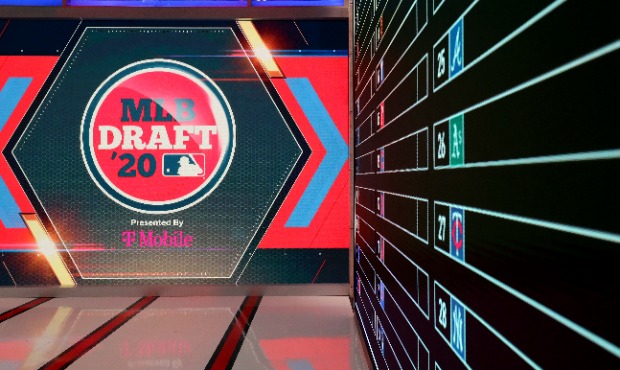
(Photo by Alex Trautwig/MLB Photos via Getty Images)
(Photo by Alex Trautwig/MLB Photos via Getty Images)
Deric Ladnier, the Arizona Diamondbacks’ director of amateur scouting, has been managing virtual meetings with prospects and relying more on tape while preparing for a very different MLB Draft that begins Wednesday.
As prepared as he might be, there are a few obvious complications.
For one, there is not recent film after baseball seasons were stopped in their tracks when the coronavirus pandemic hit the United States in mid-March. Additionally, MLB reduced the draft from 40 rounds to just five, saving money but making it more complicated in filling out minor league rosters.
The Diamondbacks, for example, can feel as good as they want about their five draft choices, but after that it could be hard to target and sign the prospects they like.
Though MLB teams like the D-backs can sign prospects who go undrafted, signing bonuses will max out at $20,000. Second-tier prospects could end up in a tough spot, Ladnier said Tuesday while joining the D-backs BP Show on Arizona Sports.
“We’ve dissected these guys probably more than we ever have in our life because the margin for error is very slim,” Arizona’s director of amateur scouting said. “We don’t know who’s going to sign, we don’t know who’s going to go back to school. We’ll target guys, obviously we’ll go through due process to make sure we’re on the right guys.
“At the end of the day, we may love a guy and want to sign him and he doesn’t feel like he’s being compensated at his level of ability and he may say, ‘No.'”
Leading to even more prospects declining to sign pro deals, college players have been granted an extra year of eligibility by the NCAA. That would give them the fallback option of playing college ball in 2021 to build their stock for the next draft, which if all goes well will return to the old format.
That complicates things at both the MLB and college levels for next season.
High school players wanting to give pro baseball a go this year, however, have it the worst, according to Ladnier.
“High school at that age, they change, and sometimes they change rapidly,” Ladnier said. “You didn’t hear about a guy last spring and then all of a sudden he’s throwing 96, 97 miles per hour. That happens a lot. A lot of these guys that did not get a chance to play, I think they’re going to be a little bit penalized because of that.
“I’m not saying that it’s going to change their draft status, but just the fact that we didn’t get to go watch them play to see the improvements they made one year after another — because it’s certainly more dramatic at the high school level than it is at the college level.”
Related
 What Diamondbacks fans should know for the 2020 MLB Draft
 With shortened 2020 MLB Draft, see D-backs who were late-round picksESPN: D-backs need power in upcoming MLB draft
 Report: Diamondbacks picking Chris Garagiola as next TV play-by-play voice
 Which Diamondbacks are finalists for Gold Glove Awards?
 Grading Diamondbacks’ offseason trades, signings 1 season later

Comments
0 Comments