
Are the Cinderellas of the NCAA Tournament disappearing? The 2026 edition will be telling
The NCAA Tournament bombards the senses. It’s a festival of mascots, buzzer beaters and wall-to-wall basketball. But are Cinderella teams becoming non-factors?

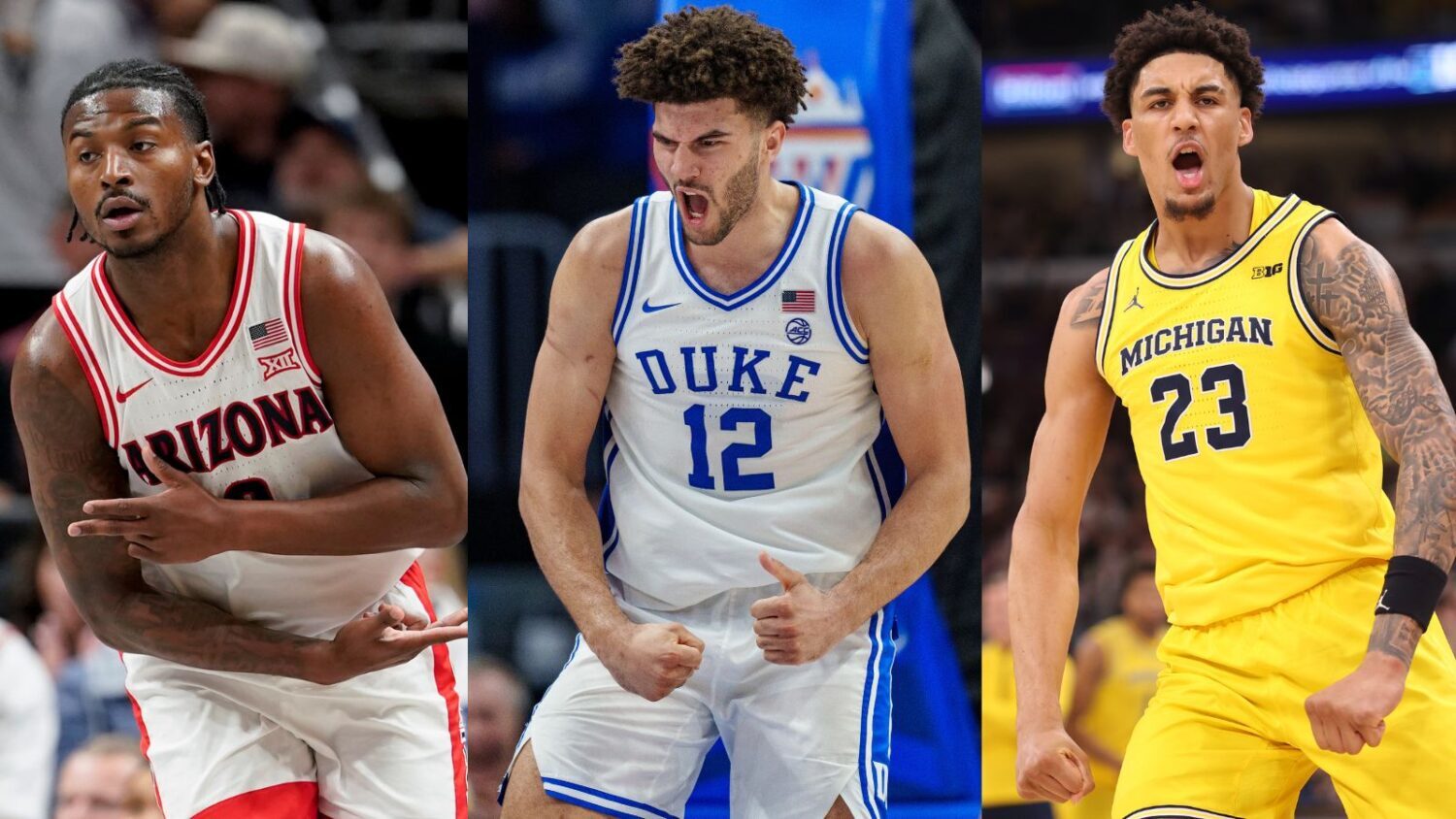
(Jaden Bradley photo via Ed Zurga/Getty Images; Cameron Boozer photo via Jacob Kupferman/Getty Images; Yaxel Lendeborg photo via Michael Reaves/Getty Images)
(Jaden Bradley photo via Ed Zurga/Getty Images; Cameron Boozer photo via Jacob Kupferman/Getty Images; Yaxel Lendeborg photo via Michael Reaves/Getty Images)
The NCAA Tournament bombards the senses. It’s a festival of mascots, pep bands, buzzer beaters and wall-to-wall basketball. It’s the big event that never lets you down.
But in 2026, an ominous question looms over the landscape:
Is Cinderella dead? Or did she just take the year off?
Answers are forthcoming. The tournament begins in earnest on Thursday, kicking off two of the greatest days on the athletic calendar. But there is a fear that the new pay-to-play reality of college basketball might ruin one of the most treasured spectacles in sports.
In 2025, all 16 of the top four seeds advanced to the second round, the first time that’s happened since the tournament expanded to 64 teams in 1985. All four No. 1 seeds advanced to the Final Four.
This year, Arizona, Duke and Michigan are considered juggernauts. The regular season began with a streak of 96 consecutive victories by ranked teams against unranked opponents. And now, all 16 of the top four seeds are favored to win their opening game by 10 or more points.
Mid-major programs that once played a pivotal part in the tapestry of the tournament are struggling to fill the role of underdog, where their best players are often poached by bigger schools before those schools can pose a real threat. Clearly, the economics of NIL and the transfer portal is quickly widening the gap between the power conferences and the rest of Division 1.
One can argue that the lack of stunning upsets early in the tournament only stacks the deck for a thrilling conclusion, when the field is top-heavy, full of marquee brands and heavyweight contenders. But that misses the point entirely.
The magic of the NCAA Tournament can be found in the giant slayers and the teams holding the slingshots: Bryce Drew’s buzzer beater that propelled Valparaiso; Princeton backdoor cutting UCLA into oblivion; Gordon Hayward’s halfcourt heave that barely missed, one that would’ve lifted Butler to a stunning championship over Duke; Sister Jean serving as the lovable spiritual touchstone of Loyola Chicago; and San Diego State actually reaching the title game just before the transfer portal flipped the sport on its ear.
College basketball once smiled on the less fortunate. The advent of the 3-point shot was considered a great equalizer. So were 40-minute games, unfamiliar referees, neutral court settings where crowds are quick to side with the underdog and the stifling pressure that comes with single-elimination basketball.
Alas, money is muting the magic. A mid-major program might spend $2 million on its entire roster, which is a problem when Duke reportedly pays $1.3 million per player. Mid-majors have now become feeder programs for the wealthy and the bluebloods.
March Madness are two of the greatest words in sports, so good they’re trademarked by the NCAA. But the sport can only guarantee that it will begin in March. It can no longer guarantee madness. Which means it’s in danger of becoming the bracket challenge, a playground for the rich.
Reach Bickley at dbickley@arizonasports.com. Listen to Bickley & Marotta weekdays from 6 a.m.-10 a.m. on 98.7 and the Arizona Sports app.
Related
 Arizona's NCAA Tournament draw includes early ease, major threats later
 Sports Illustrated examination: ASU might've made an expanded NCAA Tournament field
 ESPN's Jay Bilas picks Arizona to win 2026 NCAA Tournament
 Circus takeaway: Arizona alum Genesis Smith picks off Josh Allen on back-to-back passes
 Cam Skattebo’s helmet just can’t hang; former Sun Devil crashes into Jameis Winston
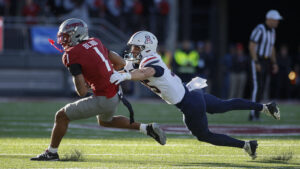 Near flawless second half from Arizona defense helps Wildcats rally to beat Washington State

Comments
6 Comments
A yet what fuels the Madness are the runs of the no-blood Cinderellas. Quite the contrast.
Anybody old enough remember any past Madness winner other than NC State and the air-ball put-back heard round the world, and the lil' bombers from Villanova?
So true. But that is like saying Duke lost to Kentucky, NC, Michigan, or Kansas. All Blue Blood programs, just like The Rock, Goldberg, Kurt Angle etc. were top WWE talent. In order to build drama, the Hulkster had to lose once in a while but the results were choreographed. That is where college sports are headed, predetermined teams that make the Final Four (all the No 1 seeds made the Final Four last year). Watch the final 5 minutes of any game that has the Blue Blood programs against other teams. The calls always go the Blue Blood's way until the lead is safely in hand, then minor calls are made against them to even out the fouls. Happens every time. Just watch the Duke game right now against Siena.
Yeah . . . Things change, and always have. DB sounds like "get off my lawn guy". Just enjoy the Madness, and hope that Arizona gives you a lot to talk about in a positive way.